

Malatya Apricot | Dried Tomatoes, Almonds , Organic Dried Fruits - Vegetables as Healthy Snacking Trends
Malatya Apricot

Dried Tomatoes

Almonds
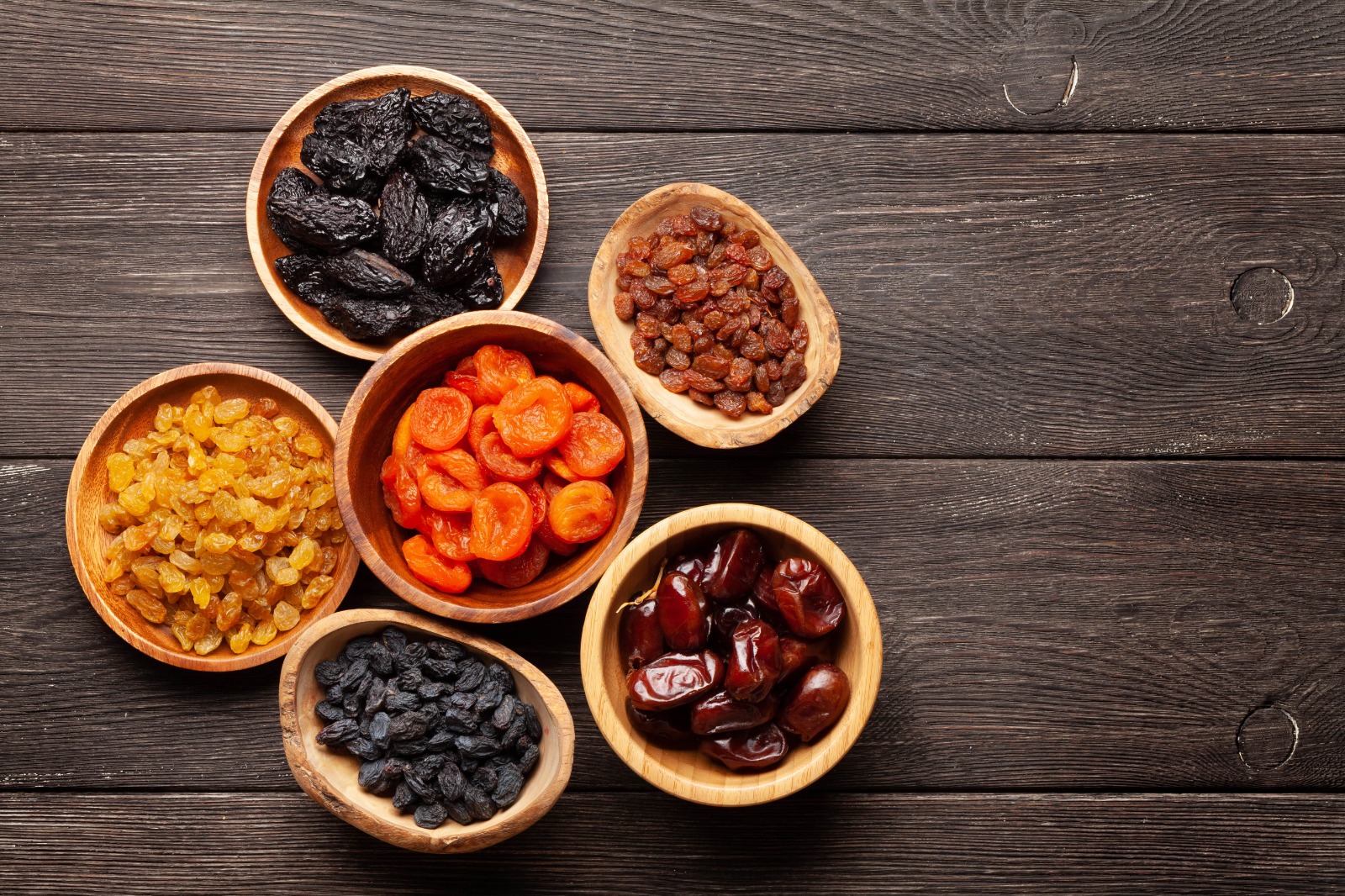
Organic Dried Fruits and Nuts 3
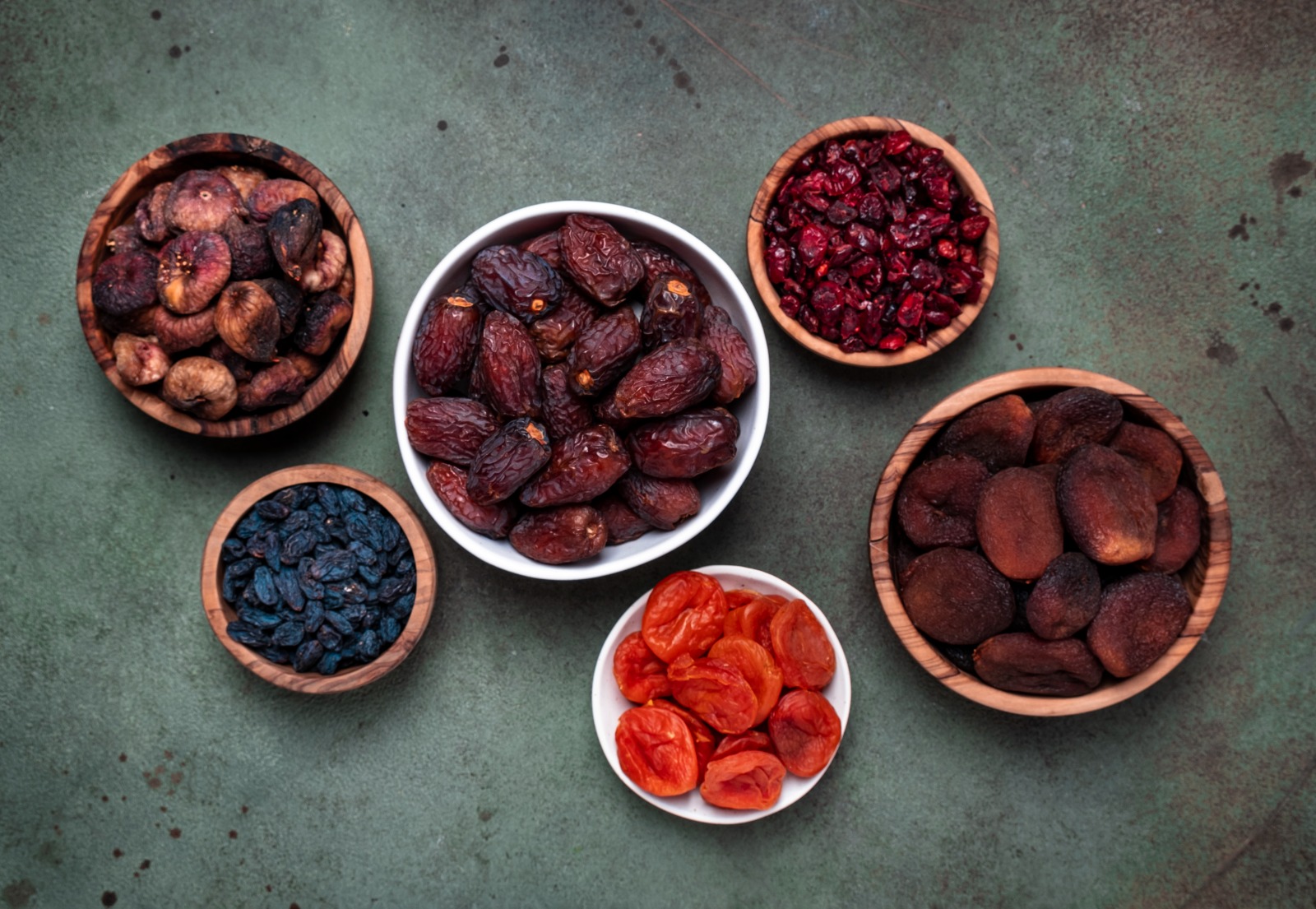
Malatya Apricot - Organic fruits and vegetables 2
Among the standout categories driving this evolution are dried tomatoes , almonds , and organic dried fruits and vegetables .
MALATYA, BATTALGAZI, TURKEY, March 15, 2026 /EINPresswire.com/ -- Malatya Apricot | Dried Tomatoes, Almonds, and Organic Dried Fruits - Vegetables as Healthy Snacking Trends Reshape International Trade
The global food industry is undergoing a significant transformation as consumers increasingly prioritize health, sustainability, and clean-label ingredients. Among the standout categories driving this evolution are dried tomatoes , almonds , and organic dried fruits and vegetables . These nutrient-dense, shelf-stable, and versatile products are gaining strong traction across retail, foodservice, and industrial manufacturing sectors worldwide.
From gourmet kitchens in Europe to large-scale food processors in North America and Asia, buyers are actively seeking reliable suppliers who can provide premium quality, traceable, and sustainably produced dried ingredients. The rise of plant-based diets, natural snacking habits, and functional foods has further accelerated demand for dried tomatoes, almonds, and organic dried fruits and vegetables on a global scale.
Health-Driven Consumption Is Redefining the Market
Consumers today are more informed than ever. They carefully read ingredient labels, avoid artificial additives, and seek products that offer both flavor and nutritional benefits. As a result, natural dried foods have become an essential category in modern grocery baskets.
Why Dried Tomatoes Are in High Demand
Dried tomatoes have emerged as a staple ingredient in Mediterranean cuisine and global gastronomy. Rich in antioxidants such as lycopene, vitamins A and C, and essential minerals, dried tomatoes offer intense flavor while supporting a balanced diet.
Food manufacturers utilize dried tomatoes in:
• Ready-to-eat meals
• Gourmet sauces and pestos
• Bakery products
• Snack mixes
• Plant-based meat alternatives
Their long shelf life, concentrated flavor profile, and ease of storage make dried tomatoes a strategic ingredient for both industrial buyers and culinary professionals.
Almonds: A Powerhouse in the Global Nut Trade
Almonds continue to dominate the global nut category due to their high protein content, healthy fats, fiber, and vitamin E levels. As consumers shift toward plant-based protein sources, almonds play a critical role in multiple product applications.
Today, almonds are widely used in:
• Healthy snack packs
• Almond butter and spreads
• Dairy alternatives such as almond milk
• Energy bars
• Breakfast cereals
• Confectionery and chocolate production
The versatility of almonds positions them as a cornerstone ingredient in both premium and mass-market product lines. Moreover, demand for raw, roasted, blanched, sliced, and organic almonds is steadily rising, especially in markets focused on clean-label and minimally processed foods.
Organic Dried Fruits and Vegetables: The Premium Growth Segment
Perhaps the most dynamic category in recent years is organic dried fruits and vegetables. As organic certification standards become more recognized and trusted globally, both retailers and consumers are showing increased willingness to pay a premium for certified organic products.
Organic dried fruits and vegetables appeal to consumers because they:
• Are grown without synthetic pesticides
• Support sustainable farming practices
• Offer higher perceived quality
• Align with environmental and ethical values
From organic dried apricots and figs to organic dried tomatoes and mixed vegetable blends, this category is expanding rapidly in Europe, North America, and parts of Asia-Pacific.
Retail chains, specialty organic stores, and online marketplaces are expanding shelf space for organic dried fruits and vegetables as consumer demand continues to rise.
Global Trade Dynamics and Export Opportunities
International trade flows show consistent growth in dried fruit, nut, and vegetable exports. Key importing regions include:
• European Union countries
• United States
• Canada
• United Kingdom
• Middle East markets
• Japan and South Korea
Buyers in these regions are particularly focused on:
• Traceability and transparency
• Food safety certifications (BRC, IFS, ISO, HACCP)
• Organic certification compliance
• Sustainable packaging solutions
• Competitive logistics and pricing
Exporters who can combine premium quality dried tomatoes, almonds, and organic dried fruits and vegetables with reliable supply chains are positioned to capture significant market share.
Sustainability and Responsible Production
Sustainability is no longer optional — it is a requirement. Global buyers now evaluate suppliers based not only on price and quality but also on environmental and social responsibility.
Key sustainability drivers in the dried food sector include:
• Water-efficient farming practices
• Reduced carbon footprint in processing
• Solar-powered drying facilities
• Eco-friendly packaging materials
• Ethical labor standards
Organic dried fruits and vegetables naturally align with these expectations, reinforcing their premium positioning in the marketplace.
Innovation in Processing and Technology
Advancements in food processing technologies have significantly improved the quality and consistency of dried products. Modern drying techniques such as:
• Sun drying
• Tunnel drying
• Freeze drying
• Low-temperature dehydration
help preserve color, texture, and nutritional value while extending shelf life.
In the case of dried tomatoes, optimized drying processes ensure vibrant color retention and rich umami flavor. For almonds, precision sorting, grading, and roasting technologies enhance product uniformity and safety.
Innovation also plays a major role in packaging. Modified atmosphere packaging (MAP) and vacuum sealing extend freshness and protect against moisture and contamination.
The Rise of Private Label and B2B Partnerships
Private label growth is reshaping global food retail. Supermarkets and specialty chains are expanding their own branded lines of dried tomatoes, almonds, and organic dried fruits and vegetables.
This shift creates new opportunities for manufacturers capable of offering:
• Custom packaging solutions
• Flexible volume capacities
• Multi-language labeling
• Tailored product specifications
• Efficient bulk supply for industrial buyers
Strong B2B partnerships, transparent communication, and consistent quality standards are becoming essential in securing long-term contracts.
E-Commerce Accelerates Global Access
Online grocery platforms and cross-border e-commerce have further fueled demand for shelf-stable products such as dried tomatoes and almonds. Consumers are comfortable purchasing dried foods online due to their long shelf life and minimal risk of spoilage.
Organic dried fruits and vegetables perform particularly well in digital channels, where detailed product descriptions and certifications can be clearly communicated.
This digital expansion enables exporters to reach new markets without relying solely on traditional distribution networks.
Clean Label and Functional Food Integration
The clean-label movement has influenced formulation strategies across the food industry. Manufacturers increasingly use dried tomatoes and almonds as natural flavor enhancers and nutrient boosters instead of artificial additives.
For example:
• Dried tomatoes add natural color and depth to sauces without synthetic flavorings.
• Almonds enhance texture and protein content in plant-based products.
• Organic dried fruits and vegetables contribute fiber and natural sweetness to cereals and snack bars.
Functional foods, fortified snacks, and health-oriented meal kits are incorporating these ingredients as core components.
Market Outlook: Strong Growth Ahead
Industry analysts project steady growth for the global dried fruit and nut market over the next five years. Key growth drivers include:
• Increasing vegan and vegetarian populations
• Rising disposable income in emerging economies
• Expansion of organic food categories
• Growth of healthy snacking culture
• Innovation in product formats
Dried tomatoes are expected to see rising demand in gourmet and ready-meal categories. Almonds will continue to benefit from plant-based dairy and protein trends. Organic dried fruits and vegetables are anticipated to experience above-average growth due to premium positioning and sustainability awareness.
Quality assurance and Certifications Matter More Than Ever
Food safety remains a top priority in international trade. Buyers require strict compliance with global standards, including:
• HACCP
• ISO certifications
• Organic certification
• Pesticide residue compliance
• Allergen management protocols
Exporters who invest in advanced laboratory testing, traceability systems, and quality control procedures strengthen their competitive advantage.
Strategic Positioning in a Competitive Market
To remain competitive in the dried tomatoes, almonds, and organic dried fruits and vegetables sector, suppliers must focus on:
1. Product consistency and premium quality
2. Transparent sourcing and sustainability
3. Strong logistics infrastructure
4. Competitive pricing models
5. Digital marketing and global brand visibility
Companies that combine traditional agricultural expertise with modern food processing technologies are best positioned for long-term success.
A Promising Future for Dried Food Categories
The global appetite for healthier, natural, and sustainably produced foods continues to expand. Dried tomatoes, almonds, and organic dried fruits and vegetables are perfectly aligned with modern consumer expectations.
Their nutritional value, versatility, and extended shelf life make them indispensable ingredients across multiple industries. As demand grows across Europe, North America, Asia, and the Middle East, suppliers who prioritize quality, innovation, and sustainability will capture emerging opportunities.
With strong market fundamentals, expanding distribution channels, and increasing health awareness worldwide, the future of dried tomatoes, almonds, and organic dried fruits and vegetables remains exceptionally promising.
Premium Turkish Dried Apricots – A Natural, Healthy, and Delicious Delight
Turkish dried apricots are one of the world’s most beloved dried fruits, widely appreciated for their rich flavor, chewy texture, and impressive nutritional profile. The region of Malatya in Türkiye is especially famous for producing these premium dried apricots, thanks to its ideal Mediterranean climate and fertile soils that encourage healthy fruit growth. Malatya is considered the global heart of apricot cultivation, with millions of trees carefully tended by local farmers, making it one of the leading producers and exporters of dried apricots in the world.
The process begins with the careful selection of ripe apricots, which are harvested at their peak sweetness. For sun-dried apricots, the fruits are spread out on drying trays and naturally dried under the warm sun, preserving their natural nutrients and enhancing their intense flavor. This traditional drying method helps them maintain more of their vitamin and mineral content compared to artificial drying processes. Finally, the dried apricots are packed in airtight containers to ensure freshness and quality until they reach consumers around the world.
Beyond their delicious taste, Turkish dried apricots are also highly nutritious. They are rich in vitamins A and E, potassium, fiber, and antioxidants, which contribute to overall health. Regular consumption can support heart health, promote healthy digestion, and even help with appetite control. Because of this nutrient density, dried apricots are a satisfying snack and a smart addition to salads, desserts, and breakfast bowls.
Today, Turkish dried apricots are exported globally and enjoyed by families and chefs alike, celebrating both the rich cultural heritage and culinary excellence of Malatya’s orchards.
Raisins, cashews, and almonds are more than just tasty snacks—they are nutritional powerhouses that contribute to a healthier lifestyle. By including them in your daily meals, you can enjoy better energy levels, improved digestion, and long-term wellness.
Whether eaten alone or combined in recipes, this powerful trio delivers taste, nutrition, and convenience. Choose quality, consume in moderation, and let nature’s finest dry fruits support your journey toward better health.
ERTUGRUL EVLIYAOGLU
Malatya Apricot | Dried Fruits - Nuts Supplier and Exporter
+90 539 928 49 71
export@malatyaapricot.com
Visit us on social media:
LinkedIn
Instagram
Facebook
YouTube
X
Other
Malatya Apricot | Sun Dried Tomatoes Supplier and Exporter
Legal Disclaimer:
EIN Presswire provides this news content "as is" without warranty of any kind. We do not accept any responsibility or liability for the accuracy, content, images, videos, licenses, completeness, legality, or reliability of the information contained in this article. If you have any complaints or copyright issues related to this article, kindly contact the author above.
